
Plant City Lawn Mowing Services
Choose our lawn mowing services for reliable, professional care that keeps your yard looking its best all season long. We combine local expertise with attention to detail, ensuring your lawn is healthy, beautiful, and hassle-free.
Get a Free QuoteOur Plant City Landscaping & Yard Care Services
When to Schedule Lawn Mowing in Plant City, Florida – Seasonal Guide
In Plant City, Florida, the timing of your lawn mowing routine is crucial for maintaining a healthy, vibrant yard. The region’s subtropical climate means grass grows vigorously from late spring through early fall, with peak growth typically occurring after the last frost in March and continuing until cooler temperatures arrive in November. Neighborhoods near Walden Lake and around the historic downtown area often experience microclimates, where shade from mature oaks or proximity to water features can affect mowing frequency and timing.
Local environmental factors such as high humidity, periodic droughts, and sandy soils common in areas like Trapnell Road and Turkey Creek influence how often lawns need attention. Homeowners should also be mindful of municipal guidelines and seasonal restrictions, which can be found on resources like the official city website. By tailoring your mowing schedule to Plant City’s unique landscape and weather patterns, you’ll ensure your lawn remains lush and resilient year-round.
Local Factors to Consider for Lawn Mowing in Plant City
- Tree density and shade coverage, especially in established neighborhoods
- Soil type (sandy vs. loamy) affecting moisture retention
- Seasonal precipitation and drought risk
- Frost dates and temperature fluctuations
- Terrain variations, such as slopes or low-lying areas
- Municipal restrictions or recommended mowing periods
Benefits of Lawn Mowing in Plant City
Professional Lawn Care Experts
Consistent and Reliable Scheduling
Enhanced Curb Appeal
Time and Effort Savings
Healthier, Greener Lawns
Eco-Friendly Landscaping Practices
Plant City Lawn Mowing Types

Residential Lawn Mowing
-
Commercial Lawn Mowing
-
Zero-Turn Mowing
-
Push Mower Services
-
Riding Mower Services
-
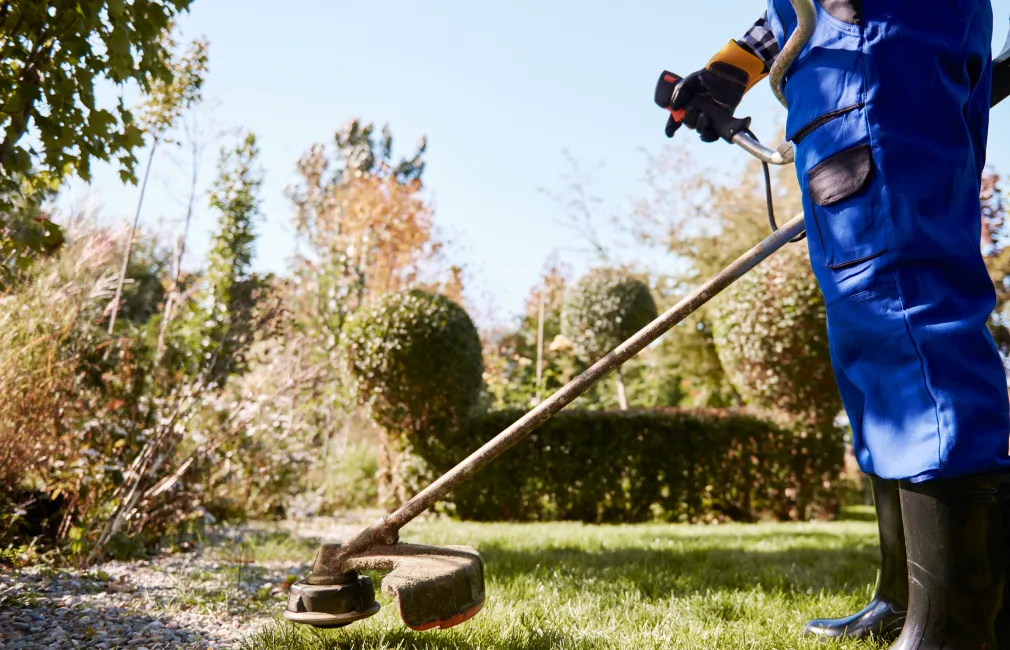
Edging and Trimming
-
Seasonal Lawn Maintenance
Our Lawn Mowing Process
Site Evaluation
Lawn Preparation
Mowing Execution
Edging and Trimming
Cleanup
Why Choose Plant City Landscape Services
-
Plant City Homeowners Trust Us
-
Expert Lawn Maintenance
-
Reliable Scheduling
-
Competitive Pricing
-
Professional Team
-
Satisfaction Guarantee
-
Personalized Service
Coordinating Lawn Mowing with Plant City’s Public Works and Stormwater Programs
Lawn mowing in Plant City, FL, is closely tied to municipal operations, particularly regarding yard waste management and stormwater protection. Residents and property managers must ensure that grass clippings and vegetative debris are not left in the street or near storm drains, as these materials can obstruct drainage and contribute to nutrient pollution in local waterways. The city provides scheduled yard waste collection, and all clippings should be properly contained for pickup rather than blown into public rights-of-way. For properties adjacent to swales, canals, or retention areas, extra care is required to prevent runoff of clippings and sediment. The Department of Public Works oversees these operational aspects and can provide guidance on collection schedules and debris handling.
- Place grass clippings in approved containers or bags for municipal pickup
- Keep all debris away from curb inlets, swales, and storm drains
- Confirm collection days and procedures with the city’s public works department
Plant City Utilities & Public Works
302 W Reynolds St, Plant City, FL 33563
Phone: 813-659-4200
Official Website: Plant City Utilities & Public Works
How Central Florida’s Climate and Soils Shape Lawn Mowing in Plant City
Plant City is situated in Central Florida’s inland peninsula, characterized by a humid subtropical climate, high summer temperatures, and a pronounced wet season from late spring through early fall. The region’s soils are predominantly sandy or mixed urban fill, which can lead to rapid drainage and increased irrigation needs during dry spells. These conditions influence both the frequency and timing of mowing, as turfgrass species such as St. Augustinegrass and bahiagrass experience vigorous growth during the wet season but may suffer from drought stress in late spring or fall. High humidity and frequent rainfall also elevate the risk of fungal diseases, making it important to avoid mowing when grass is wet. Additionally, the proximity of many neighborhoods to swales, ponds, and stormwater basins means that runoff from over-irrigation or improper mowing can quickly reach sensitive water bodies.
Key local conditions affecting lawn mowing include:
- Rapid turf growth during the wet season (May–September)
- Sandy soils that require careful irrigation management
- High humidity and rainfall increasing fungal pressure and mowing challenges
Regulatory and Environmental Compliance for Lawn Mowing in Plant City
Lawn mowing activities in Plant City are subject to both municipal and state-level regulations designed to protect water quality and neighborhood standards. The city enforces code requirements regarding the height of grass, accumulation of yard waste, and maintenance of frontage areas. It is essential to keep clippings, fertilizer, and sediment out of storm drains and swales to comply with the Florida DEP NPDES Stormwater Program, which aims to reduce nutrient and pollutant runoff into local waterways. For properties using pesticides or herbicides as part of lawn maintenance, applicators must follow FDACS pesticide licensing requirements. Irrigation restrictions may also apply, especially during drought conditions, and should be verified with the local utility or water management district. Noise ordinances may limit mowing hours in residential areas, and right-of-way mowing near public infrastructure may require coordination with the city.
- Maintain grass at a height appropriate for the turf species (e.g., St. Augustinegrass typically 3–4 inches)
- Prevent discharge of clippings and chemicals into stormwater systems
- Verify any irrigation or noise restrictions with the city or utility
Plant City Environmental Compliance
302 W Reynolds St, Plant City, FL 33563
Phone: 813-659-4200
Official Website: Plant City Environmental Compliance
Professional Lawn Mowing Methods and Seasonal Timing in Plant City
Effective lawn mowing in Plant City requires adapting to the region’s warm, humid climate and variable rainfall. According to UF/IFAS Gardening Solutions - Lawns, mowing height should be matched to the turf species: St. Augustinegrass and bahiagrass are best maintained at 3–4 inches, while zoysiagrass and bermudagrass can be kept shorter. During the wet season, mowing frequency may increase to once per week or more, but it is important to avoid removing more than one-third of the leaf blade at a time to minimize turf stress. Mowing should be delayed when grass is wet to prevent disease spread and soil compaction. Clippings should be mulched back into the lawn or collected for disposal, never left on hard surfaces or near drainage features. Irrigation should be scheduled for early morning, and mowing should be avoided during periods of drought stress or extreme heat. Equipment blades must be kept sharp to ensure clean cuts and reduce disease risk.
- Adjust mowing frequency based on rainfall and turf growth rate
- Mulch or collect clippings; do not leave them on pavement or near drains
- Mow when grass is dry and avoid scalping turf during hot weather
What Neighborhoods Do We Serve Throughout Plant City, FL?
- Walden Lake This established community features large lots, mature shade trees, and extensive irrigation systems, requiring careful mowing to manage both turf density and drainage.
- Historic Downtown District Older lots with mixed landscaping and limited access may require specialized equipment and attention to sidewalk and curb-edge mowing.
- Citrus Landing Newer subdivision fill soils and smaller lots mean rapid turf growth during the wet season and a need for consistent mowing to prevent overgrowth.
- Magnolia Green Proximity to ponds and stormwater basins makes runoff control and clipping management especially important in this neighborhood.
- Country Hills Larger lots with open exposure and sandy soils demand attention to mowing height and irrigation timing to prevent drought stress.
- Park Place HOA-managed common areas and frontage require adherence to appearance standards and coordination with community landscaping schedules.
- Plantation at Walden Lake Shaded lots and mature landscaping create unique mowing patterns and may require more frequent blade maintenance to handle dense turf.