
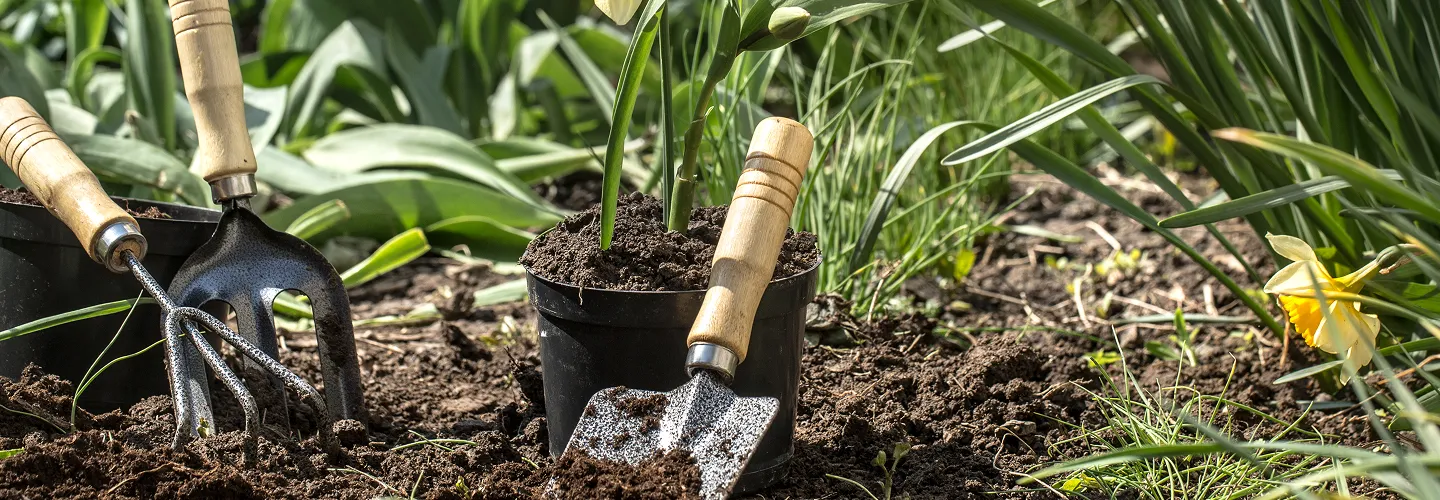
Plant City Fertilizing Lawn Services
Choose our Fertilizing Lawn services for lush, healthy grass all season long—our expert team uses premium products and proven techniques to give your yard the vibrant, green look you deserve.
Get a Free QuoteOur Plant City Landscaping & Yard Care Services
When to Schedule Fertilizing Lawn in Plant City, Florida – Seasonal Guide
Fertilizing your lawn in Plant City, Florida, requires careful timing to ensure lush, healthy grass throughout the year. The region’s subtropical climate, with its warm, humid summers and mild winters, means that the best times for fertilization are typically in early spring and late summer. These periods align with the active growth cycles of common turfgrasses found in neighborhoods like Walden Lake and near the historic downtown district. Local factors such as the last frost date—usually in late February—and the onset of summer rains play a significant role in determining the optimal fertilizing window.
Plant City’s unique landscape features, including areas with dense oak canopies and sandy soils, can affect how nutrients are absorbed. Lawns in shaded spots, such as those near Gilchrist Park, may require different fertilization schedules compared to open, sun-drenched yards. Additionally, local ordinances and municipal guidelines may restrict fertilizer application during certain months to protect nearby water bodies from runoff. Consulting with a local expert ensures your lawn care plan is tailored to your property’s specific needs.
Local Factors to Consider for Fertilizing Lawn in Plant City
- Tree density and shade coverage
- Soil composition (sandy vs. loamy)
- Proximity to water bodies and runoff risk
- Seasonal precipitation patterns
- Recent drought conditions
- Municipal restrictions on fertilizer use
- Terrain and drainage characteristics
Benefits of Fertilizing Lawn in Plant City
Enhanced Lawn Health
Improved Grass Color
Weed Growth Reduction
Stronger Root Development
Increased Disease Resistance
Thicker, Lusher Turf
Plant City Fertilizing Lawn Types

Bermuda Grass Fertilization
-
St. Augustine Grass Fertilization
-
Zoysia Grass Fertilization
-
Centipede Grass Fertilization
-
Bahia Grass Fertilization
-
Fescue Grass Fertilization
-
Ryegrass Fertilization
Our Fertilizing Lawn Process
Soil Analysis
Fertilizer Selection
Application Scheduling
Even Fertilizer Distribution
Post-Application Inspection
Why Choose Plant City Landscape Services
-
Plant City Homeowners Trust Us
-
Expert Lawn Maintenance
-
Reliable Scheduling
-
Competitive Pricing
-
Professional Team
-
Satisfaction Guarantee
-
Personalized Service
Coordinating Fertilizer Application with Plant City’s Stormwater and Public Works Divisions
Fertilizing lawns in Plant City requires careful coordination with municipal operations to protect local water resources and comply with city procedures. Residents and property managers must ensure that fertilizer granules, clippings, and sediment are kept out of storm drains, swales, and canal edges, as these materials can contribute to nutrient runoff and water quality issues. The Department of Public Works oversees stormwater infrastructure and provides guidance on proper yard maintenance to minimize environmental impact. Residents should sweep excess fertilizer from hard surfaces back onto the lawn and avoid applying fertilizer before heavy rain is forecasted. For questions about stormwater protection or to report concerns about runoff, contact the city’s public works division.
Plant City Utilities & Public Works
302 W Reynolds St, Plant City, FL 33563
Official Website: Plant City Utilities & Public Works
How Central Florida’s Climate and Soils Shape Fertilizing Lawn in Plant City
Plant City is situated in Central Florida’s inland peninsula, characterized by a humid subtropical climate, pronounced wet and dry seasons, and predominantly sandy or mixed urban soils. These conditions directly influence how lawns respond to fertilization:
- Sandy soils in many neighborhoods allow for rapid drainage but also increase the risk of nutrient leaching, making split fertilizer applications advisable.
- The region’s high summer humidity and rainfall (especially from June through September) can accelerate turf growth but also heighten the risk of fertilizer runoff into stormwater systems.
- Warm-season turfgrasses such as St. Augustinegrass and bahiagrass are common, requiring nutrition tailored to their growth cycles and stress periods.
Irrigation is often necessary during dry spells, but overwatering can further increase nutrient movement beyond the root zone. Residents should consult the USDA Web Soil Survey for site-specific soil information and refer to UF/IFAS Gardening Solutions - Lawns for turf selection and care guidance.
Understanding Fertilizer Regulations and Environmental Compliance in Plant City
Fertilizer use in Plant City is governed by a combination of state and local regulations designed to protect water quality and public health. The Florida Statutes §403.9337 - Model Ordinance for Florida-Friendly Fertilizer Use on Urban Landscapes provides the framework for municipal ordinances, which may include blackout periods, application setbacks from water bodies, and requirements for slow-release nitrogen. While Plant City may not have a unique fertilizer blackout period, residents should verify current local requirements before applying fertilizer, especially near canals, lakes, or stormwater retention areas. Applicators must also comply with any licensing requirements for commercial work, as outlined by FDACS - Pesticide Applicator Certification and Licensing. For environmental compliance questions, the city’s environmental division is the primary contact.
Plant City Environmental Compliance
302 W Reynolds St, Plant City, FL 33563
Official Website: Plant City Environmental Compliance
Professional Standards and Timing for Fertilizing Lawns in Plant City’s Climate
Effective fertilization in Plant City requires attention to timing, product selection, and application technique to support turf health while minimizing environmental risk. Key professional standards include:
- Conducting a soil test before fertilization to determine nutrient needs and avoid over-application.
- Timing fertilizer applications to coincide with active turf growth, typically in late spring and early summer, and avoiding periods of heavy rainfall.
- Using slow-release nitrogen sources to reduce leaching and runoff potential, especially on sandy soils.
- Maintaining a minimum setback from storm drains, swales, and water bodies as required by local ordinance or state model guidelines.
- Calibrating spreaders to ensure even distribution and sweeping granules off hard surfaces.
For additional technical guidance, refer to UF/IFAS Gardening Solutions - Lawn Maintenance and Care and the Florida-Friendly Fertilizer Ordinances App.
What Neighborhoods Do We Serve Throughout Plant City, FL?
- Historic Downtown This area features mature landscaping and older lots, often with established shade trees and variable drainage patterns.
- Walden Lake A large planned community with extensive irrigation systems, HOA landscaping standards, and proximity to lakes and retention ponds.
- Citrus Landing Newer subdivision with fill-based soils, smaller lots, and engineered drainage swales requiring careful fertilizer management.
- Park Place Residential area with moderate lot sizes, a mix of sun and shade exposure, and adjacency to public parks and greenways.
- Country Hills Neighborhood with larger lots, mature turf, and a combination of private wells and municipal irrigation, increasing variability in lawn care needs.
- Alexander Woods Townhome community with shared green spaces and higher density, where runoff control and coordinated maintenance are especially important.
- Plantation at Walden Lake Features extensive common areas, pond edges, and HOA oversight, requiring adherence to both city and association fertilizer guidelines.